A Missed Opportunity: Prigozhin's Mutiny and the West's Fear of Russia's Collapse
There are moments when an adversary's system loses its stability — and the West's fear of Russia's collapse let one pass.
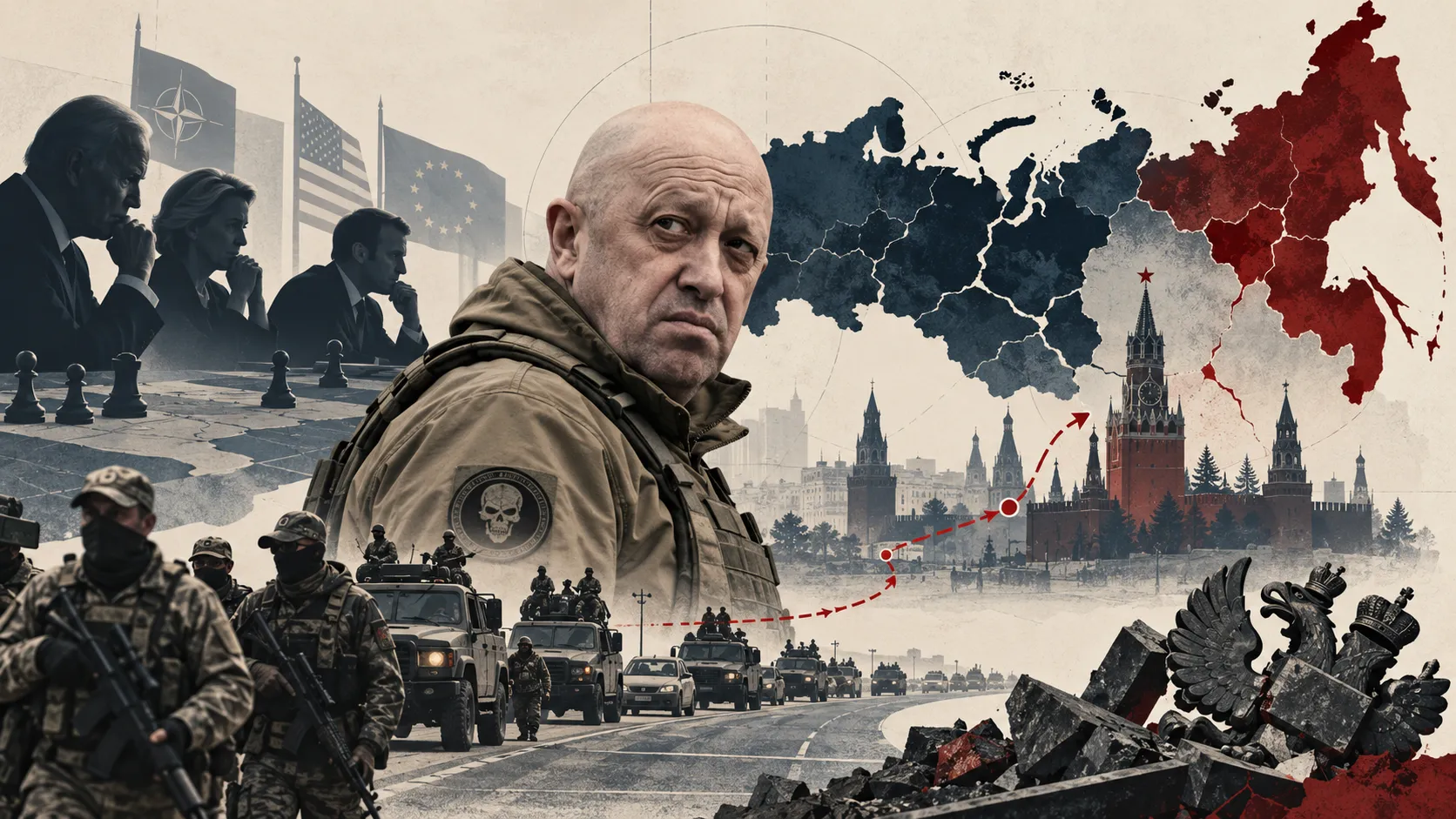
In the history of war, there are moments when an adversary's system loses its stability. Not as a result of an external blow, but because of an internal fracture — elite splits, a loss of command and control, fear at the very top of power. In such moments, victory on the battlefield is not required. It is enough simply not to interfere with the crisis as it unfolds.
For Russia, such a moment came with Yevgeny Prigozhin's mutiny.
Similar "windows" have opened before. In 1917, the Russian Empire was not defeated in a military sense by the First World War — it was derailed from within. The army formally still existed, the front lines largely held, but the state lost its center of decision-making. External war gradually gave way to internal processes, marked by a struggle for power, the collapse of governance, and a protracted civil war.
Continue reading with The Consulo Membership
Analysis, the weekly Brief and the full member archive.
Already a member? Sign in