The Court That Knows Too Much
Sovereignty is the slogan; impunity is the point. How Washington pressures the International Criminal Court to shield its own officials.
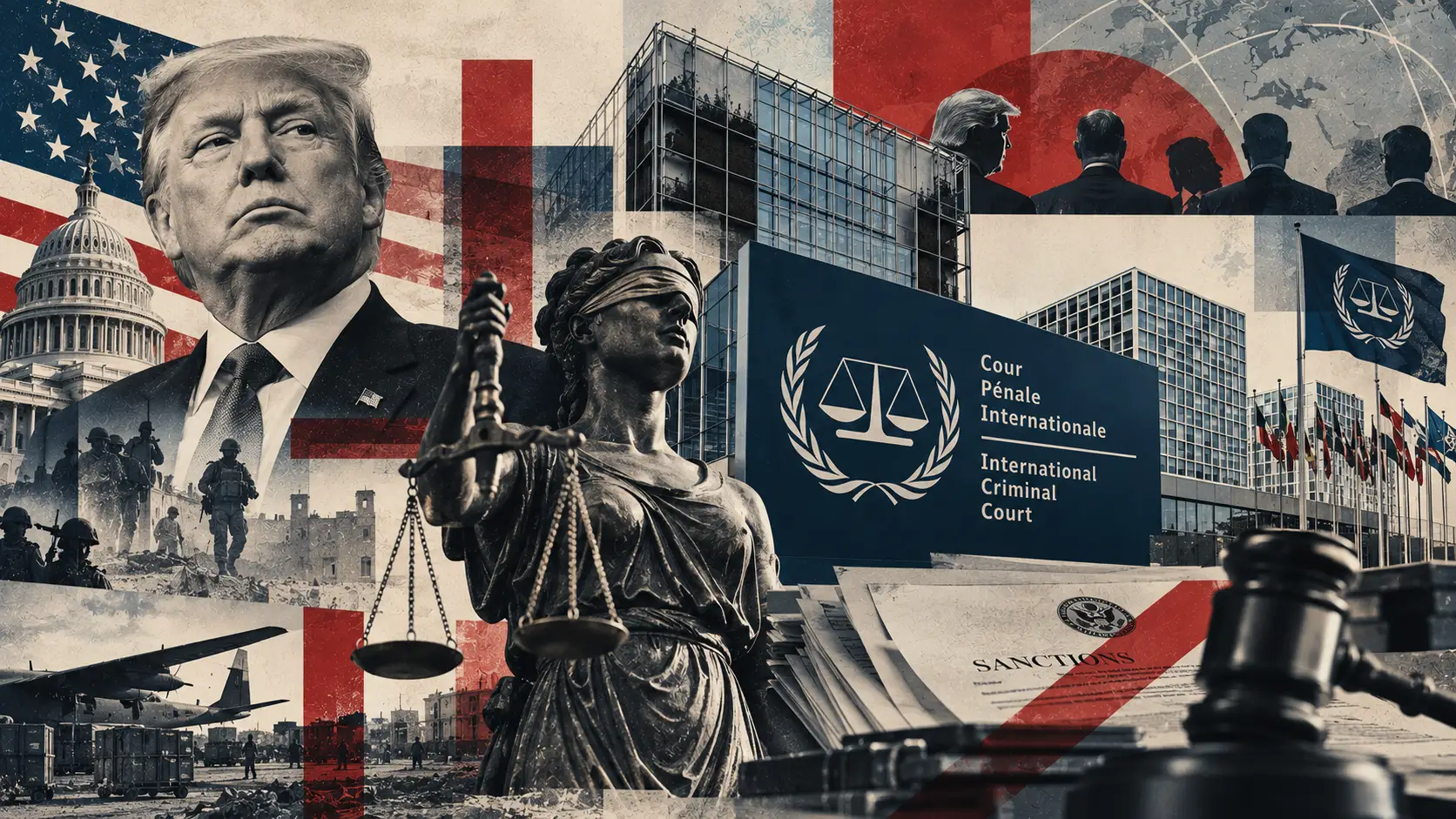
On July 13, 2026, the United States government announced it would take apart a court in The Hague. Brick by brick, if necessary. The words belong to Secretary of State Marco Rubio. He delivered the message in a newspaper op-ed and a video address.
The stated reason is sovereignty. Washington says the court is trespassing on it — claiming the right to try Americans without America's consent. In response, Washington promises to mobilize the entire machinery of the state: visa bans on the court's staff, financial sanctions, diplomatic pressure on smaller nations to make them withdraw from the Rome Statute and cut off the court's funding. Countries that take American money but refuse to disown The Hague are promised “increased scrutiny.”
A little history is in order. The International Criminal Court was created by treaty — the Rome Statute — in the late 1990s; it began operating in 2002. The United States never joined. Washington signed the statute under Clinton but never ratified it, and in 2002 the Bush administration withdrew the signature itself. Ever since, the United States has kept its distance — precisely so that its soldiers and officials would stay beyond the court's reach. By the administration's own logic, this means the court has no jurisdiction over a single American.
Continue reading with The Consulo Membership
Analysis, the weekly Brief and the full member archive.
Already a member? Sign in